U075 Skin-Environmental Interface: Dermatologic Challenges of Our Changing Climate and Environment
DESCRIPTION
Climate change is an existential threat. With greater intensity and frequency of extreme weather events, serious health consequences are occurring now and threaten future generations. Dermatologists are uniquely positioned to advocate for public health, educate patients on the cutaneous manifestations of climate change, and create innovative solutions for mitigation. This session will highlight how climate change and pollution broadly influence skin disease with attention to disproportionately affected populations. This forum will provide learners with knowledge of key health impacts, tools to build sustainable practices, and opportunities for advocacy and engagement.
LEARNING OBJECTIVES
Examine the scientific basis of climate change and its impacts on cutaneous disease and the practice of dermatology.
Define the impacts of global warming, climate change, and pollution on cutaneous disease and recognize the vulnerable populations that are disproportionately affected by these.
Implement strategies to reduce our professional carbon footprint and identify opportunities for climate advocacy.
SCHEDULE
7:30 AM
Introduction and Overview of the Impacts of Climate Change on Health, Equity, and Healthcare
Eva R. Parker, MD, FAAD
7:46 AM
Under the Weather: Climate Change and the Skin's Infectious Threats
Sarah Jane Coates, MD, FAAD
7:59 AM
Cutaneous Manifestions of Wildfires and Extreme Weather Events
Raj Fadadu, MD
8:12 AM
Environmental Sustainability in Dermatology
8:25 AM
Q&A
DIRECTOR
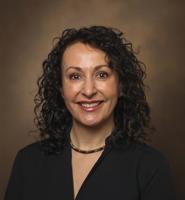
Eva R. Parker, MD, FAAD
Vanderbilt University Medical Center
SPEAKERS

Sarah Jane Coates, MD, FAAD

Raj Fadadu, MD
DISCLOSURES
Sarah Jane Coates, MD, FAAD
No financial relationships exist with ineligible companies.
Raj Fadadu, MD
L'Oreal – Advisory Board(Honoraria);
Eva R. Parker, MD, FAAD
L'Oreal – Advisory Board(Honoraria);